HOME / THE FLEET / VACUUM EXCAVATION

Vacuum excavation.

Ten vacuum units for non-destructive digging around live services, across Perth and regional WA. Isuzu and Hino trucks, a 4x4 mini for tight access, and Vermeer tow-behind trailers for potholing. Wet or dry, maintained in-house.

10 VAC UNITS · TRUCKS, MINI, TRAILERS

The vac fleet.

Three units for three access problems. Volume potholing, tight access, and small jobs where a truck is more than you need.

Platinum vacuum excavation truck on a utility corridor
VAC
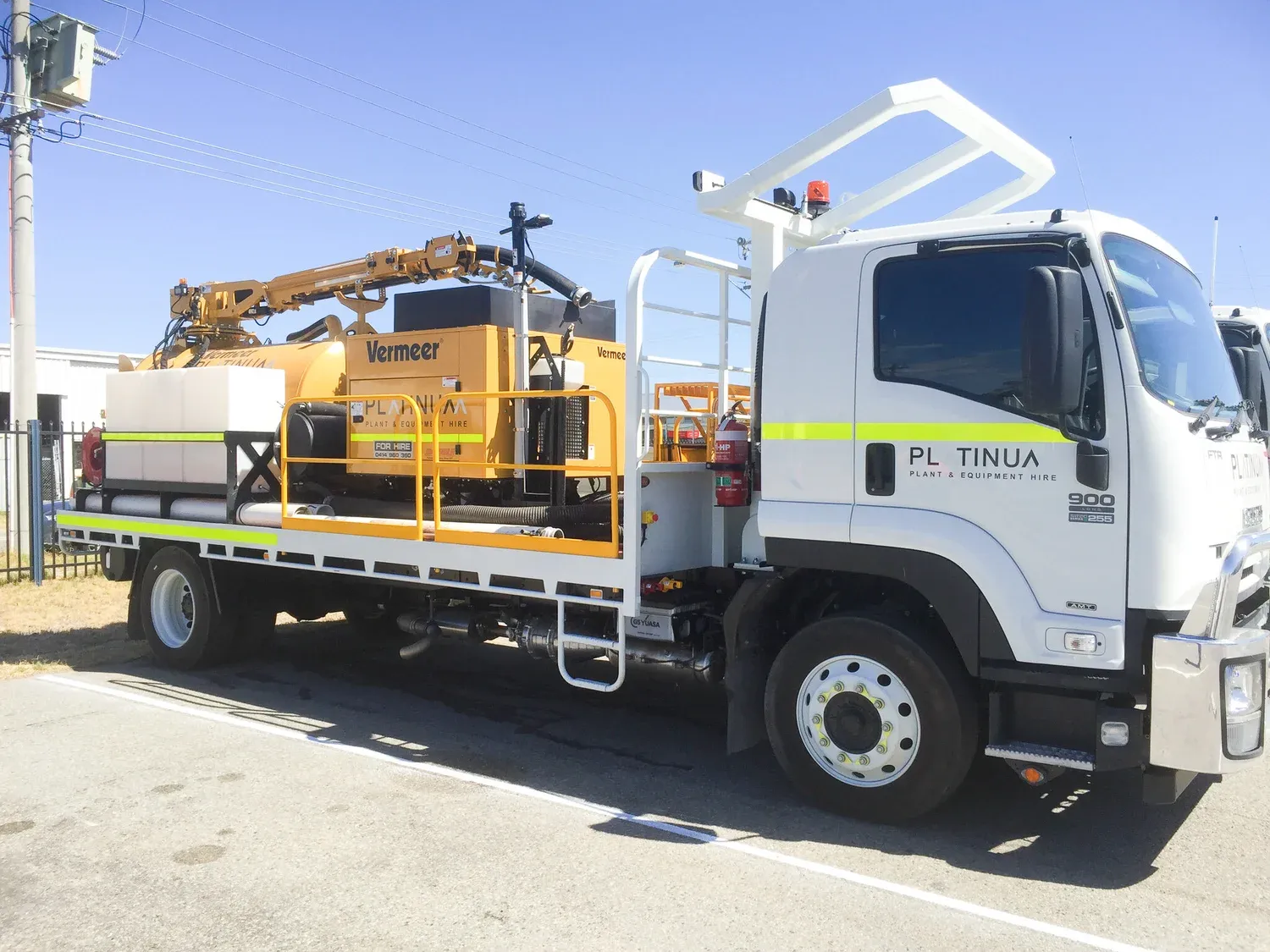
Vacuum Excavation Trucks
ISUZU · HINO
Non-destructive digging around live services, metro and regional.
5
UNITS
VT01 to VT05
→
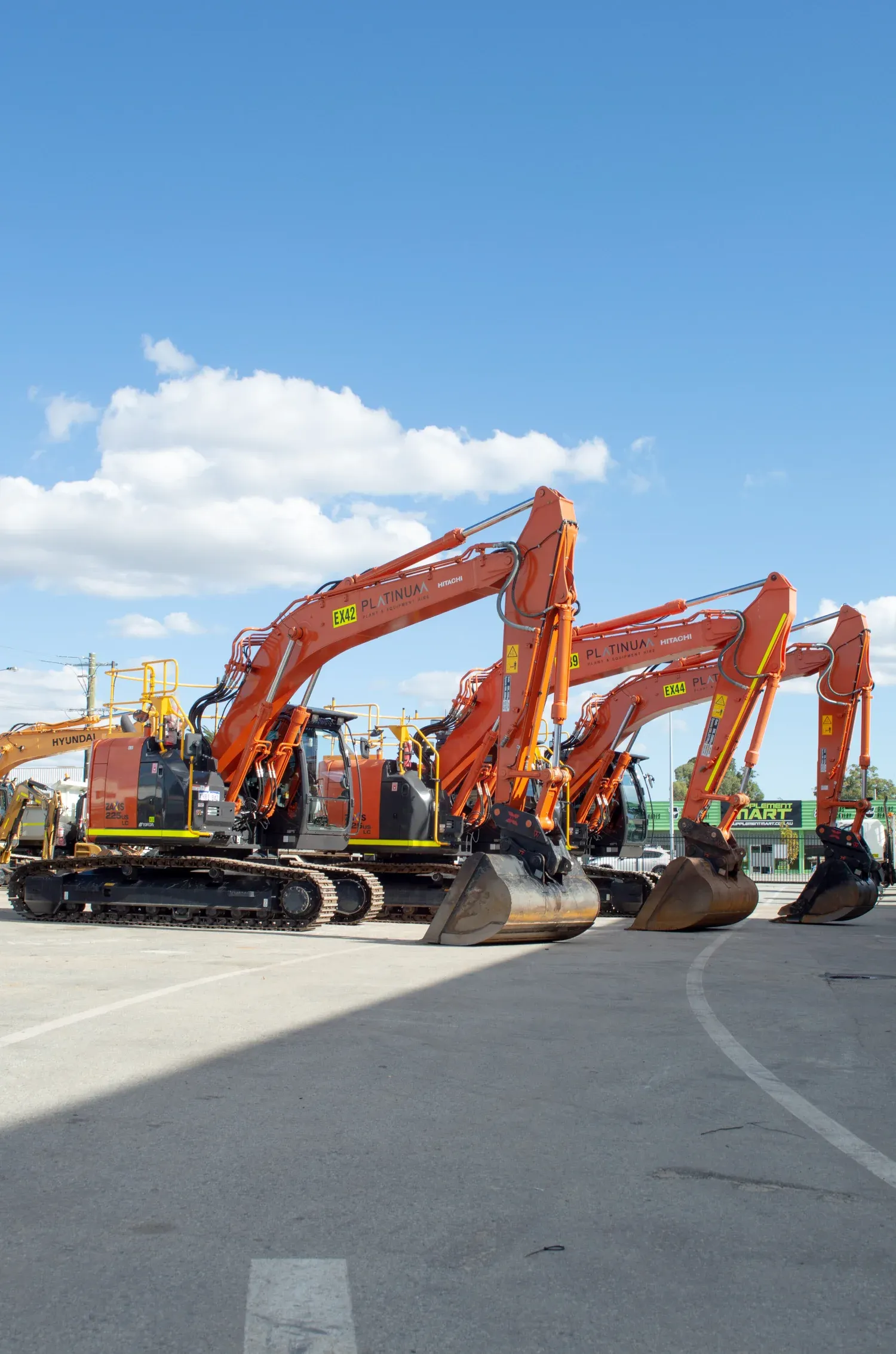
Platinum machines lined up ready on the yard
MINI
Mini 4x4 Vac Truck
ISUZU 4x4
Vac power that fits where the trucks can't.
1
UNIT
VT06
→
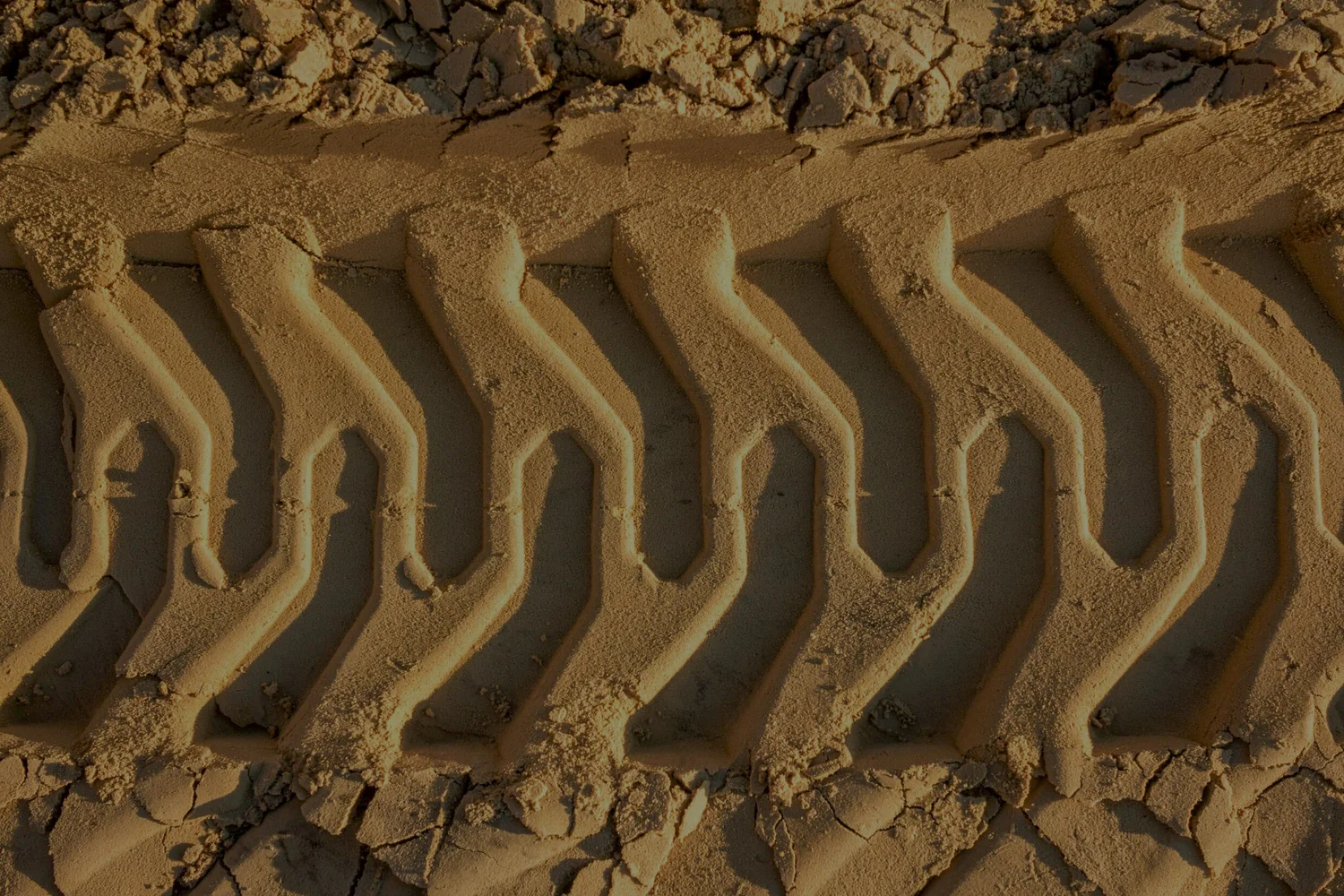
Machine track marks pressed into sand at a Platinum site
VM500
VM500 Vac Trailers
VERMEER VM500
Tow-behind vac units for smaller potholing jobs.
4
UNITS
VM01 to VM04
→

Truck, mini or trailer?

All three do the same job. What separates them is how much you need to move and what you can get onto the ground.

Trucks are for volume potholing on accessible ground.

The five Isuzu and Hino units are the standard choice. Biggest tank and the most vacuum, so they hold more spoil before a trip to empty and keep a crew moving through a long run of service proves. If a truck can reach the dig, this is the cheapest way to do it.

The 4x4 mini goes where a rigid truck cannot.

Narrow easements, backyards, soft ground, and anywhere the approach is too tight or too steep for a full-size unit. Smaller tank, so more trips, but it gets you a vac on jobs that would otherwise be dug by hand.

Trailers suit small jobs and crews with their own vehicle.

The four Vermeer VM500s tow behind a ute. Right for a handful of potholes, service proving on a small site, or where you want a vac on site all week without paying for a truck and an operator to sit with it.

It pairs with the drills.

Platinum runs Ditch Witch JT10, JT20 and JT24 directional drills out of the same yard, so vac support and boring can come from one call and one supplier rather than two. See the JT20 drills on the fleet board.
Vacuum excavation questions.

The things people ask before they book.

What is non-destructive digging?

Digging with high-pressure water and suction instead of a bucket or a shovel. The ground is cut and lifted straight into a spoil tank, so no hard edge ever touches a cable or a main. That is why it is the standard method for working around live services.

Do you supply an operator?

Yes, and most clients take vac work that way. Wet hire includes a licensed operator who runs the unit. Dry hire is available where your crew is already trained and ticketed on the equipment.

What happens to the spoil?

It goes into the unit's tank and leaves site with the truck. Tell us at quote stage if the spoil is contaminated or needs a specific disposal path, so it gets priced properly instead of turning into a variation later.

Can you get into tight or soft access?

That is what the 4x4 mini and the tow-behind trailers are for. Narrow easements, backyards, soft ground and anywhere a rigid truck cannot reach. Send through the access constraints when you enquire and we will tell you which unit fits.

Digging near live services?

Tell us the job, what is in the ground and how you get onto site. You will get a complete quote back, usually the same day.